Financial Basics for Young Adults
At Origin Bank, we believe long-term financial health starts with financial literacy. When young people understand the basics of money, they stand a much better chance of making sound money management decisions that will benefit them later in life.
To help equip those who are just beginning their financial journey, Origin is sharing information on banking and finance fundamentals. From understanding financial institutions and the importance of budgets to breaking down the difference between debit and credit cards, here’s how to master the basics while keeping your information safe from fraudsters.
Financial Institutions 101
Banks play an important role in the economy and serve as the main places where people conduct their financial business. They provide essential services such as:
- Savings and checking accounts for individuals, businesses, and non-profits.
- Loans for major purchases like cars and houses.
- Assistance with retirement savings.
Sometimes people find banks intimidating, but the reality is that banks are staffed with friendly, knowledgeable professionals who are driven by a desire to serve their customers. Banks provide essential services designed to help you learn how to best manage your money and achieve your financial goals.
Banks offer convenient options for handling your individual financial needs through various channels such as:
- In-person services: Local banking centers provide a personal touch with knowledgeable professionals.
- Online and mobile banking: Apps allow customers to bank from anywhere, 24 hours a day.
- ATMs: Offer 24/7 access for withdrawals, balance checks, and sometimes deposits.
Remember that bankers are there to serve as a resource for you and your money. Get to know the people who work at your local banking center and ask them for help in understanding your financial needs. They are available to help you and have the knowledge and resources to guide you towards making smart financial decisions.
Budgeting Basics
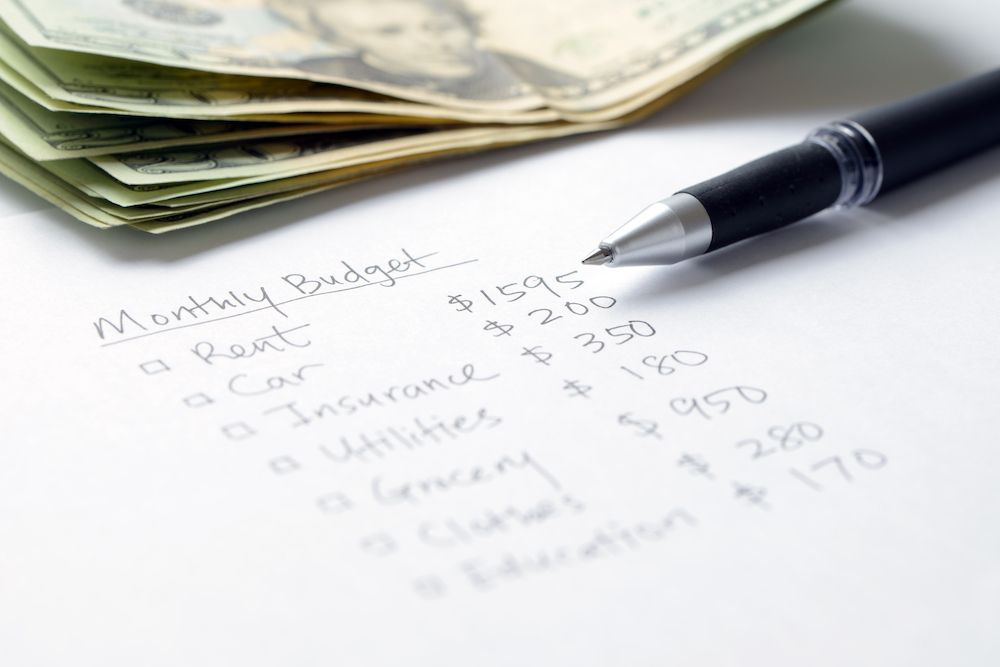
For many people, just saying the word budget is stressful. How do you make a budget? How do you follow one? Understanding how budgets work is absolutely critical for good financial management.
Budgeting is not about constantly saying “no” every time you want to buy something. Rather, it's putting yourself in control – tracking your spending, setting goals and reaching them. Your budget ensures you always have enough money for the things you need and are important to you. Following a budget can keep you out of debt, and it can help you get out of debt if you owe money.
To create a budget, follow these fundamental steps:
- List your income: Start with the money you currently make or have on-hand, including bank balances, cash savings, and regular job income.
- List all expenses: Document everything you spend money on each month, including food, fuel, bills, rent, and utilities.
- Total your items: Sum up each list to see exactly how much money is coming in and going out.
- Prioritize spending: Determine which expenses are essential and which are nice-to-haves to see what remains for non-essentials or savings.
Keep a list in a notebook or create a simple spreadsheet and spend a few minutes each week reviewing and updating your income, spending, and savings. As you watch your savings grow over time, pat yourself on the back for the progress you’ve made and the control you have over your money.
Creating a budget is an important tool in helping you establish good money management skills. To expand your financial education, check out Origin’s article on how to set financial goals.
Checking and Savings Accounts
Checking and savings accounts are essential banking services. Depositing your money in a bank offers several advantages over keeping it in cash:
- Security: Banks follow strict rules to keep money safe from theft, loss, or physical damage (like fire or flood).
- Insurance: The FDIC insures deposits up to $250,000 per depositor in member institutions.
Understanding the different purposes of these accounts is key to financial health:
- Checking Accounts: Used for everyday transactions like buying groceries or paying bills. Most people use debit cards for convenience but must track spending to avoid overdraft fees.
- Savings Accounts: Designed for long-term storage. These accounts earn interest, meaning the bank adds extra money each month based on your balance, helping your money grow over time.
Debit and Credit Cards
Debit and credit cards often look identical. They have the company logo, like “Visa” or “Mastercard,” stamped on the front, a computer chip, a magnetic strip on the back, and other similar features. However, it’s important to make sure you understand the difference between a debit and a credit card so that you have a plan for how to best use them.
Debit cards
A debit card allows you to spend money you’ve already deposited in your checking account, so it’s typically used for everyday purchases. Card reader machines at the register connect directly to your account when you swipe your debit card, so each purchase you make is subtracted from your account immediately. Some transactions, such as pay-at-the-pump gas purchases or payments at restaurants, might show a pending amount that is different from the amount subtracted from your account once the transaction is final. That’s why it’s a good idea to use a mobile banking app and enable debit alerts so you can easily track your spending in real time.
Credit cards
When you use a credit card, you are essentially borrowing money to buy something. That means you could pay interest on top of the purchase price if you do not pay your monthly statement balance in full. Some people find it helpful to use credit cards in cases of emergencies or for unplanned expenses. Others use credit cards for recurring monthly purchases, paying the charges off immediately to boost their credit score. However, using a credit card irresponsibly can have a negative impact on your credit score, so make sure you clearly understand the terms and conditions of the card before applying.
Both debit and credit cards provide convenient, safe options for making purchases or paying bills. When used properly, they can benefit your personal financial goals in both the short and long term.

Fraud and Identity Theft
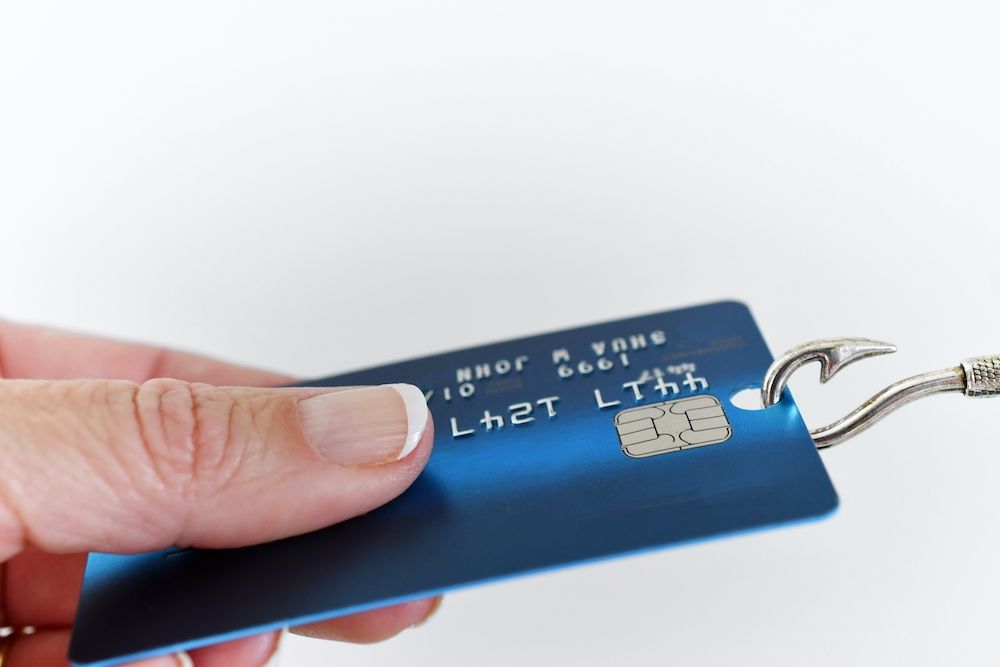
Stable financial health can be lost in an instant if you don’t guard against fraud and identity theft. With scammers becoming more sophisticated than ever before, it’s important to learn how to protect yourself. In this installment, our Origin Bank experts will teach you how to recognize common red flags such as unsolicited requests for personal information, suspicious links, or urgent payment demands.
Here are a few tips to keep yourself protected:
- Always be on the lookout for phishing scams. Among the most common types of scams are emails and text messages that trick you into entering your information into a fake website. So anytime you get a text asking for sensitive info, verify that the email or text you receive is from a legitimate person or business before handing over your data.
- Protect your most sensitive information. Thieves constantly target people for their Social Security, driver’s license, or bank account numbers. Keep those guarded at all times and be extra careful when giving them out to avoid identity theft.
- Never give out the PIN for your bank card. It might be tempting to let someone borrow your debit card. But every time you do, you’re increasing the chances that your card will be misused, and your money might be stolen. That’s why it’s also a good idea to change your PIN periodically.
- Get into the habit of checking your account daily and set up automatic alerts. Monitoring your account activity is an easy habit to develop and one of the best ways to catch fraudulent activity early. Enable debit alerts to help keep track of charges in real-time. If you notice anything unusual, contact your bank immediately.
- Know how to freeze your credit. If you think your identity has been stolen, you’ll need to contact at least one of the country’s three major credit bureaus – Equifax, Experian, or TransUnion – to prevent any credit files from being opened in your name. You can learn more about the process here. If your identity has been stolen, it’s also wise to set up a fraud alert, a free service available through the Federal Trade Commission’s website.
- Never log into your bank account on someone else’s device. Whether it’s a laptop, phone, or tablet, logging in on a foreign device puts your information at greater risk of abuse and theft. Stick with devices you control and keep them password-protected.
- Go paperless. Thieves often look for financial records tossed in the trash. Sign up for email statements and text alerts, and also use secure online sites or mobile apps offered by your bank or credit card to check your accounts and pay your bills. If you do have documents with your account data on them, store them securely and shred them before tossing them out.
At Origin Bank, we’re here to help you understand banking basics, so you have the financial education you need to achieve your goals. Visit our trusted advisors at our banking center locations across the Southeast or contact us toll-free 24/7 at 1-888-292-4037 to learn more.